


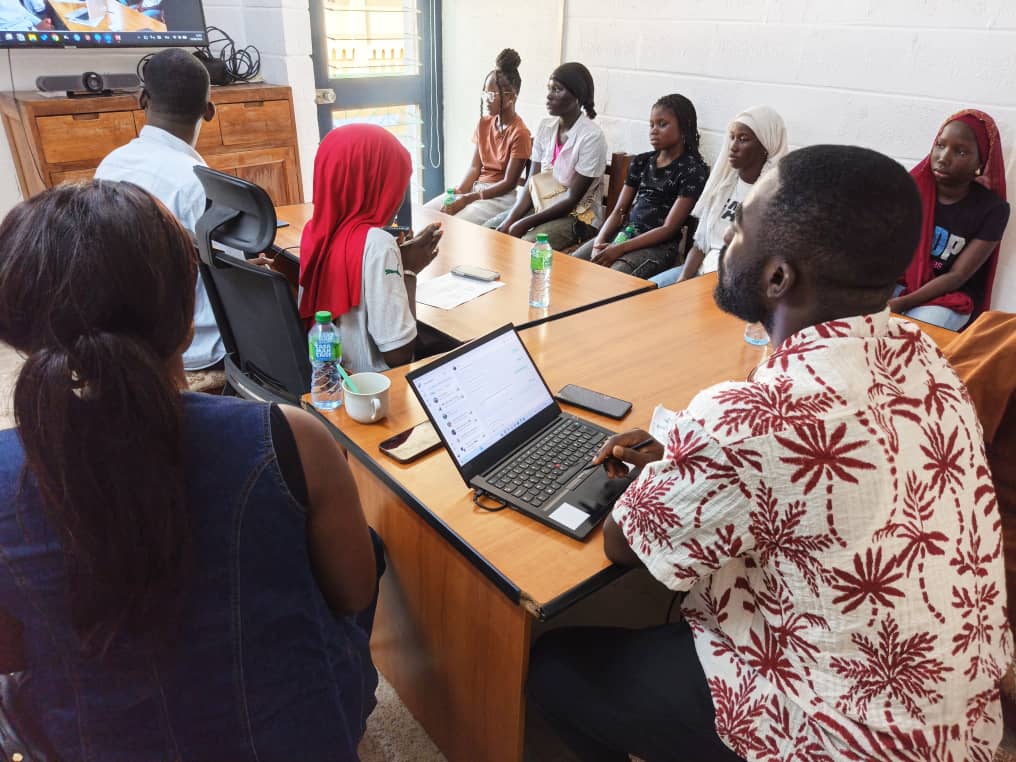
Enda Youth Action and MAEJT present findings of a survey on the effects of climate change on 632 child workers in Africa
By Ch. Seck NDONG
Enda Youth Action International, in collaboration with the African Movement of Child and Youth Workers, organized a webinar on Thursday 18 June 2026 to present the results of a survey conducted among 632 children and young workers in 15 African countries. The meeting, held on Zoom from 10:00 AM Dakar time, is part of the belated celebration of the 2026 Day of the African Child and of an awareness campaign on “the effects of climate change on children’s rights in Africa”.
Multiple documented impacts

The study also highlights forced displacement and population exodus, affecting 36% of those surveyed. School dropout and interruptions are also documented, with an estimated 30% reduction in the chances of completing primary school, according to a 2025 study by the African Child Policy Forum on the links between climate and conflicts in the Sahel. The worsening health risks are confirmed: in Benin, a 1°C increase in temperature is associated with a 23.93% rise in malaria cases, according to the same source. Finally, 48% of respondents report a deterioration in the living and working conditions of child workers, who are forced to carry out more arduous and more dangerous activities.
Giving voice to children and youth

Mr. Ibrahima Sory Barry, monitoring and evaluation intern at Enda Youth Action International, stressed the participatory approach: “Data collection was done for children and by children; it was child researchers who went to interview other children. It is an approach to child participation and one that should also exist in the implementation of recommendations, with children participating in climate decisions”.
A call to action
Objectives and expected results


The organizers expect the results to be disseminated and shared with key stakeholders, for the voices of children and youth to be valued, and for institutional actors to strengthen their commitment to children’s rights in climate adaptation and resilience policies.
The webinar brought together technical and financial partners, authorities, child protection actors, civil society organizations, children and youth workers, organizations led by children and youth, as well as the media.